Individual performance & auditions
For performers facing evaluation, stage pressure, or a specific upcoming event. A consultation can clarify preparation, a focused attention cue, and what rehearsal practice might help.
Mental performance for performers
You know the song. You know the lines. You know the routine.
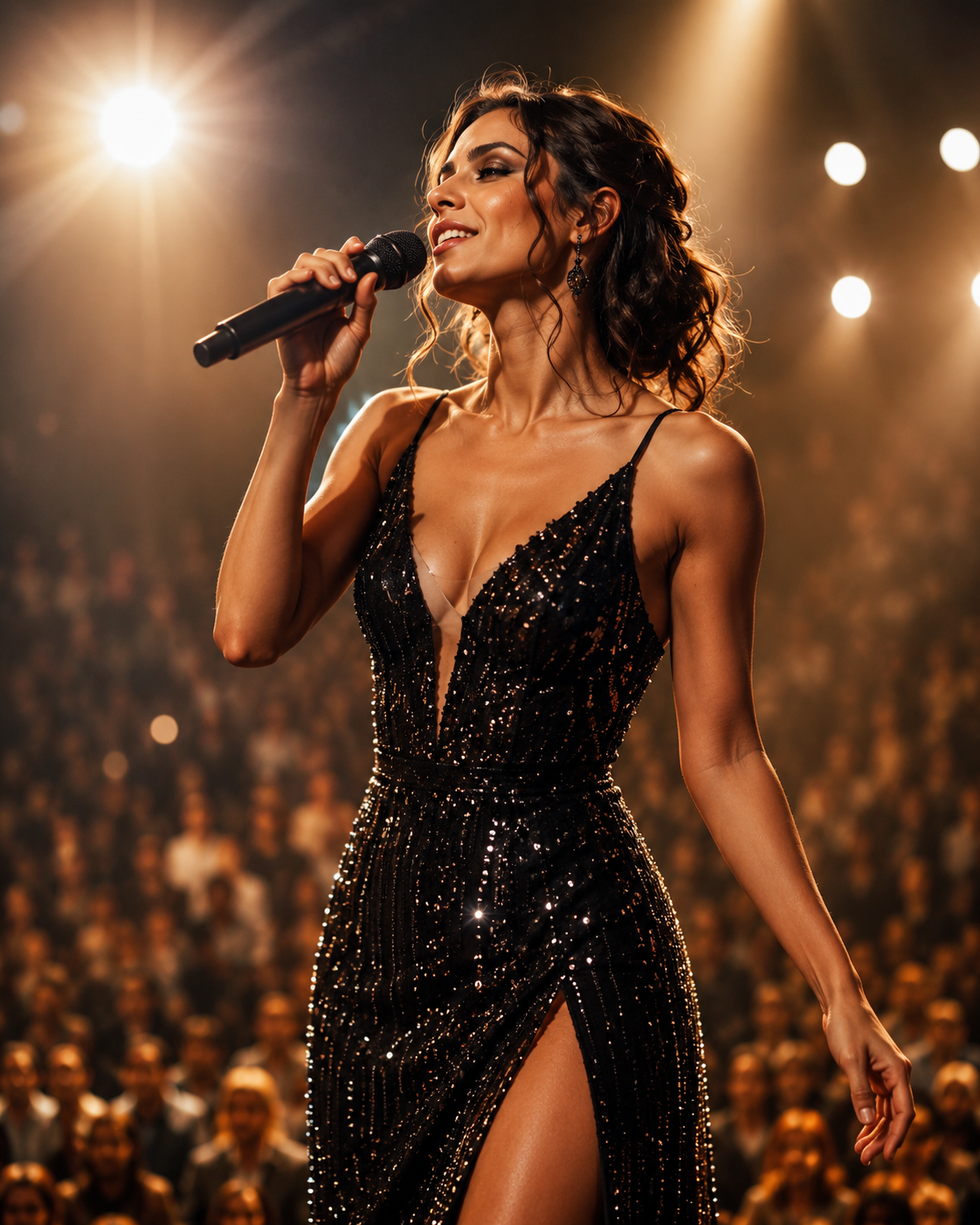
I help singers, musicians, actors, dancers, and speakers train focus, confidence, and recovery skills for auditions, live performances, and high-pressure moments.
Singers, Musicians, Actors, Dancers, Speakers, Auditioning performers, Stage + studio performers, Entertainment professionals
Start with a free 30-minute conversation with Philip. No assessment is required before booking; a performance baseline can be added later if it helps clarify your goals.
Train the performer, not just the performance.
Does this sound familiar?
Stage fright and performance pressure can pull attention away from the craft and toward fear, judgment, tension, or the outcome.
Your mind goes blank when people start watching.
You overthink skills that normally feel automatic.
Your body gets tight, rushed, shaky, or tense.
Your confidence drops even when you prepared well.
You worry about being judged instead of staying in the performance.
One mistake follows you into the next moment.
What working together could involve
For performers facing evaluation, stage pressure, or a specific upcoming event. A consultation can clarify preparation, a focused attention cue, and what rehearsal practice might help.
For bands, casts, and production teams navigating group communication or recovery after disruptions. Discuss shared cues, role coordination, and whether a group workshop fits.
These are possible training applications, not fixed packages or promised outcomes. Philip agrees the format, participant roles, scope, deliverables, schedule, and fees only after a free 30-minute consultation. The work is nonclinical and does not provide therapy.
Book a free 30-minute performer consultationWhat IBE trains
Trust your preparation when the room, audition, camera, or evaluation gets bigger.
Keep attention on useful performance cues instead of the audience, outcome, or self-judgment.
Regulate nerves, tension, breathing, and energy so pressure does not run the performance.
Reset quickly after a missed note, forgotten line, imperfect transition, or unexpected moment.
Stay connected to the craft and the process without letting evaluation or burnout own the work.
IBE uses practical mental-performance tools such as self-talk, imagery, routines, breathing, attentional control, and pressure rehearsal to help performers build these skills deliberately.
Why it matters
You already train your craft. IBE does not replace voice coaching, acting instruction, music training, dance training, or technical rehearsal. It helps you access what you trained when the moment becomes harder.
Stay connected to what you prepared instead of getting pulled into the pressure.
Keep one mistake from becoming the rest of the performance.
Build repeatable responses you can use in auditions, rehearsals, competitions, and live performance.
IBE provides mental-performance coaching and educational skill training. It does not diagnose or treat mental-health conditions.
What to expect
I’ll listen to what changes between practice and performance, identify a trainable priority, and discuss practical rehearsal or recovery tools. I bring a Miami University sport leadership background and collegiate coaching experience. I work with you directly; assessments are optional.
Choose your next step
Talk with Phil about the performance environment, what changes when you are being evaluated, and the right next step. If a baseline would help, an optional performance assessment can follow the conversation.